
Interior Design Trends for 2026
Interior design trends for 2026 go far beyond mere aesthetics; they reflect a significant shift in the way we live our daily lives. In a world marked by information overload and constant hustle and bustle, the home’s interior emerges as a true haven of peace and comfort, responding to the ever-present desire for serenity and harmony.
In this article, we explore the trends that will shape interior design in the coming years.
The 7 top interior design trends for 2026
1. Cloud Dancer: Pantone’s Color of the Year
The Pantone Institute surprised everyone by selecting a white shade as Color of the Year for the first time in over 25 years. The chosen shade is Cloud Dancer, and it is not just any white: it stands out for its enveloping softness and subtle warm tones.
The goal is to bring light and tranquility to spaces, without the coldness or rigidity we often associate with more traditional whites. Cloud Dancer functions more as a neutral canvas, allowing materials and textures to take center stage and tell their own story.
It’s the perfect choice for anyone who wants to make the most of natural light and create serene, balanced spaces—a key feature of this season’s interior design trends.
2. Biophilic Design
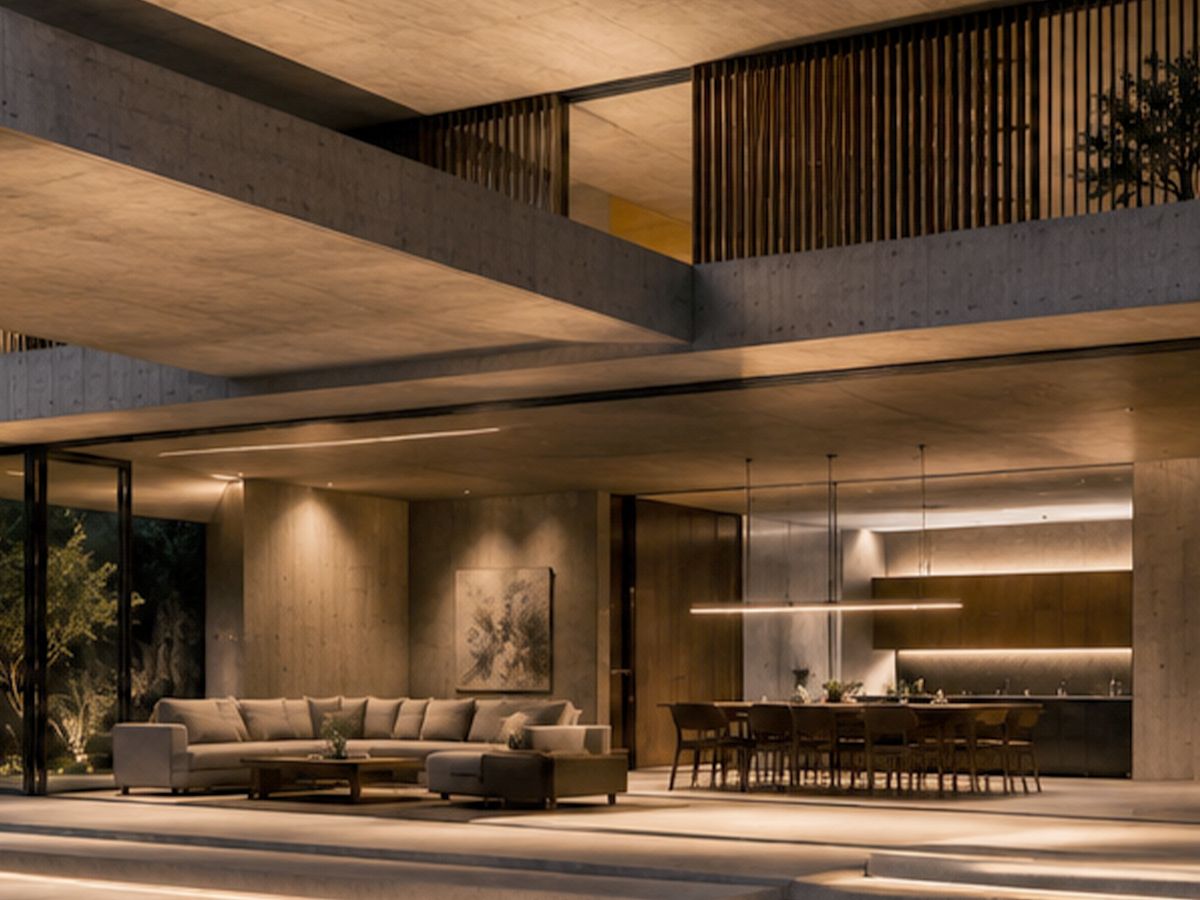
By 2026, biophilic design will no longer be a passing trend but will become an integral part of how spaces are conceived and created. The connection to nature will no longer be limited to a potted plant here and there; it will be reflected in the choice of materials, the way light enters, the proportions of spaces, and the relationship between the interior and exterior.
This approach results in more consistent interiors, where:
- Vertical gardens and green walls are incorporated into the architecture itself;
- The stone is used with natural, rough, and lightly polished finishes;
- Water plays a subtle role as a sensory element;
- The color palettes are neutral and earthy;
- The furniture is made primarily from reclaimed or sustainably sourced wood;
- The openings are designed to maximize the amount of natural light entering the space;
- The interior and exterior flow seamlessly together.
More than just a style, biophilic design addresses a real need for well-being: creating spaces that are quieter, more comfortable, and more in tune with those who inhabit them.
3. Judicious maximalism
Maximalism is no longer synonymous with accumulation; instead, it has become a matter of intention and mindfulness. The concept of “choosing better rather than having more” is gaining traction in interior design trends. Color, texture, and pattern are making a comeback, but in a structured way, layered to add depth without creating visual clutter.
This new form of maximalism focuses on materials with character and surfaces that are an integral part of the space’s architecture. The result is rich, balanced environments designed to be experienced fully, not merely admired.
4. Bathrooms with a spa-like atmosphere
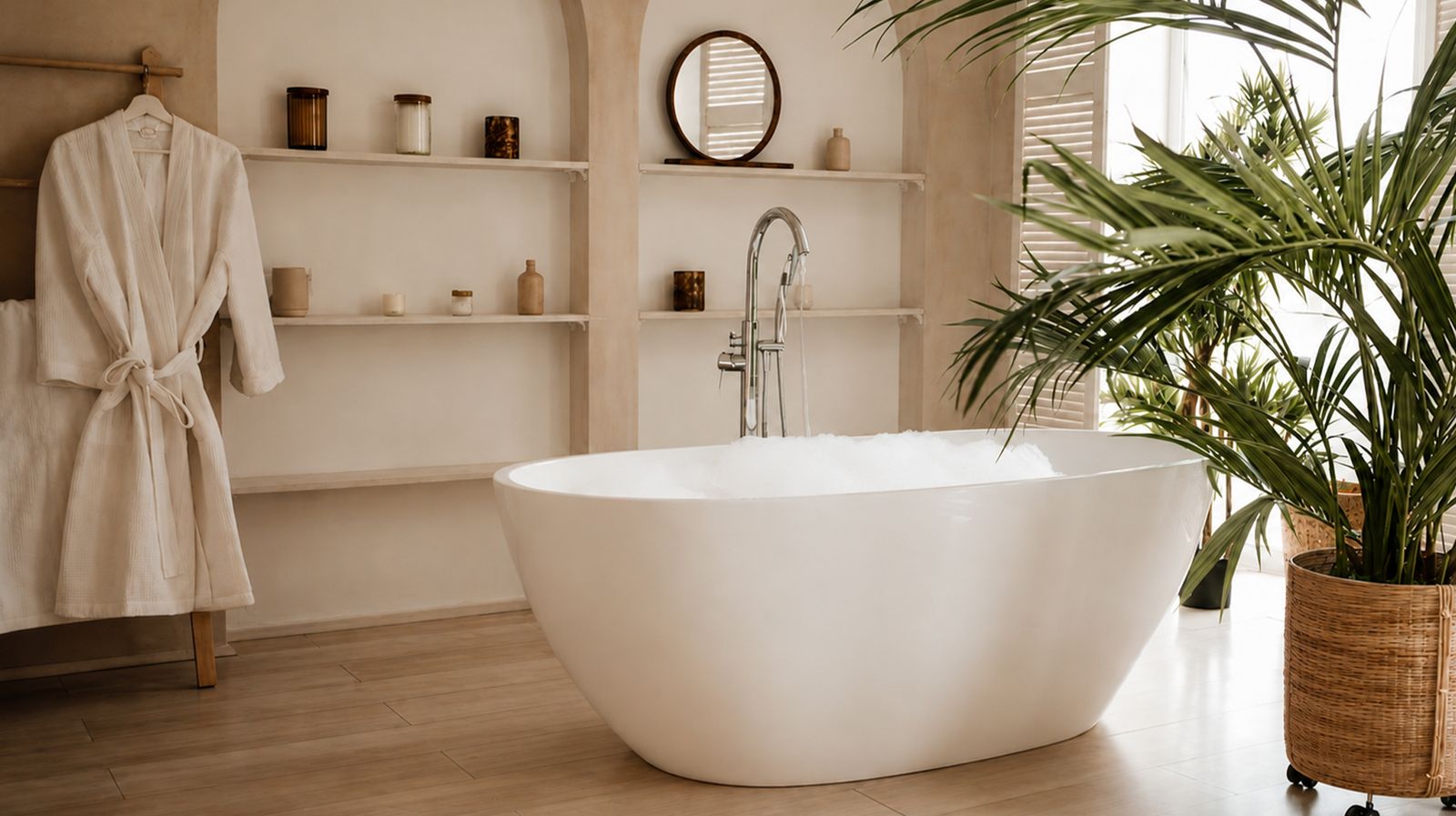
In 2026, the bathroom will be reinvented. It will no longer be merely a utilitarian space but will become a place to pause, designed to slow down the pace of daily life.
The inspiration comes from contemporary spas. The sensory experience takes center stage: furniture with natural textures, built-in ceiling showers, and fluted glass panels with black frames create a serene atmosphere full of character.
Ceramic tiles play a key role here. Floor and wall tiles with wood, stone, or mineral finishes recreate the natural atmosphere of spas without compromising on performance or hygiene. Subtle textures, matte finishes, and soft tones contribute to a sense of visual comfort: the result is bathrooms that look like spas but function just like any other.
5. Discreet and Integrated Technology
Today, technology is fully integrated into interiors, so discreetly that it’s almost unnoticeable. Heating, multimedia, and lighting systems are hidden within the walls and ceilings; surfaces feature built-in wireless charging, and the lighting automatically adapts throughout the day, adjusting the color temperature according to the time of day.
The furniture follows the same philosophy. Modular sofas, extendable tables, and multifunctional pieces elegantly meet the demands of everyday life, featuring hidden storage, wireless chargers, and integrated lighting that blend seamlessly into the design without ever detracting from the space’s visual appeal.
6. Handicrafts
Craftsmanship, which for years had been relegated to the background in the world of luxury, is now making a strong comeback and establishing itself as one of the biggest interior design trends of the moment.
In addition to its ethical and sustainable nature, handcrafted work adds genuine value to spaces and creates unique atmospheres that are impossible to replicate. Uniqueness is making a comeback in interior design—and rightly so.
There are several handcrafted pieces that can add character and originality to a room:
- Handcrafted terracotta tiles and floor tiles with a rich history;
- Blown glass vases or rustic ceramic pieces as focal points;
- Tapestries and wall hangings that add warmth to the rooms;
- Tables and benches made of locally sourced raw wood;
- Works by independent artists and original paintings.
This return to authenticity resonates directly with the concept of warm minimalism and reflects a growing appreciation for the human creative process over mass production.
7. Textured natural materials
Natural materials are emerging as one of the major trends in interior design this year. Wood, natural stone, lime plaster, linen, and wool are taking center stage in all kinds of spaces, bringing warmth, authenticity, and a sense of a home that’s truly lived in—but the trend goes beyond simply choosing materials of natural origin.
What we are looking for is texture in its purest form—surfaces that feel distinct to the touch, with imperfections and a character all their own—in stark contrast to the smooth, soulless finishes that have dominated for years.
To add depth and texture without overwhelming the space, there are a few choices that make all the difference:
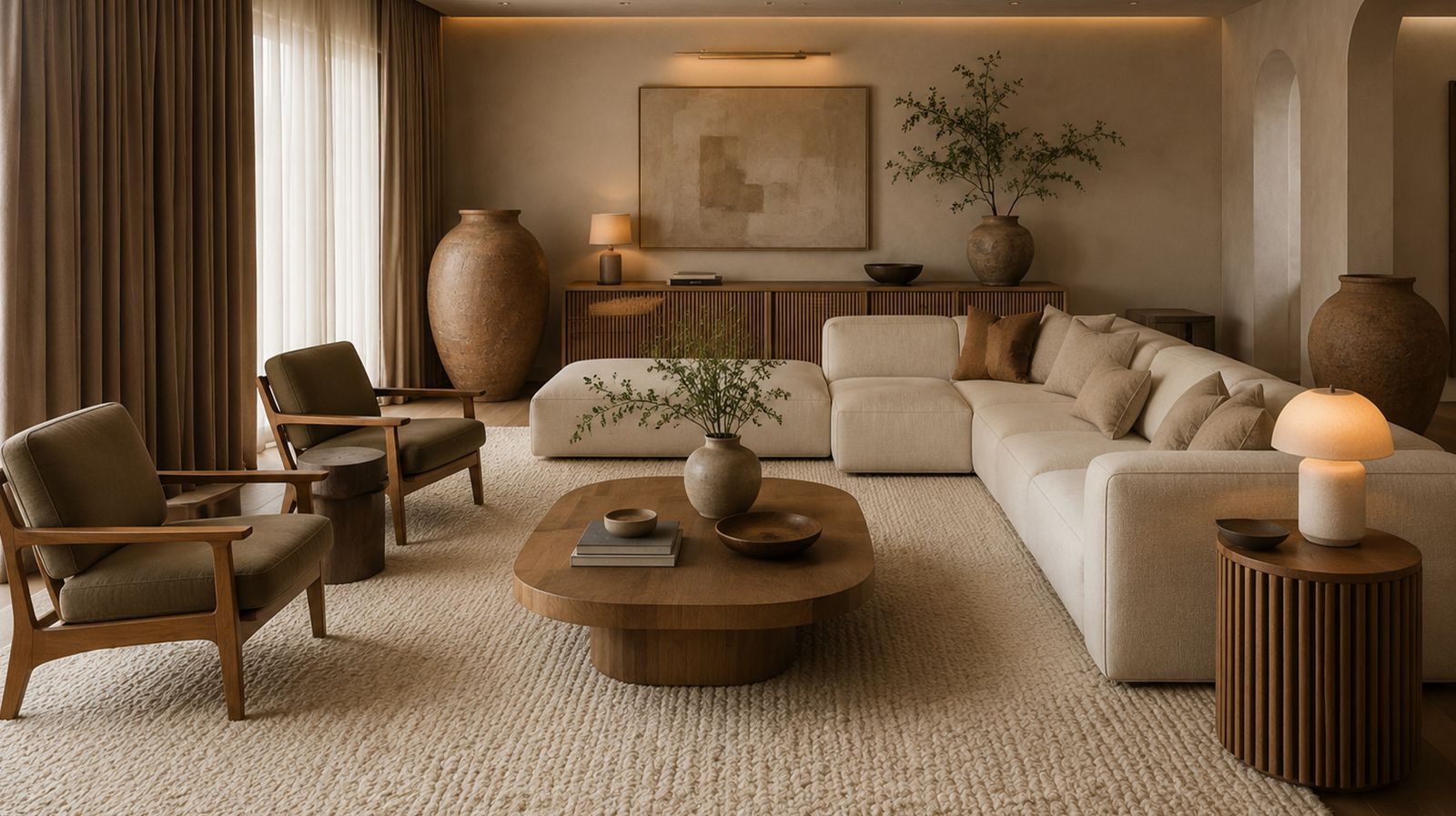
- A large bouclé wool living room rug;
- Mineral wall coverings in bathrooms and living rooms;
- Fluted wooden furniture as focal points in the space;
- Thick velvet curtains to create a sense of volume and visual comfort;
- Large clay pots as elements with a sculptural presence.
Interior design trends for 2026 point toward spaces that are more expressive, more human, and more mindful. From the selection of rich, natural materials to warm color palettes, and environments that strike a balance between comfort and unobtrusive technology, this year promises to redefine the way we live in and experience our homes.
More than just keeping up with the present, it’s about creating spaces that will remain meaningful in the future—places where the human touch, a connection to nature, and functionality come together without ever sacrificing style.
Need help transforming your home? Our team at Same Architects is ready to bring your dream interior design project to life.