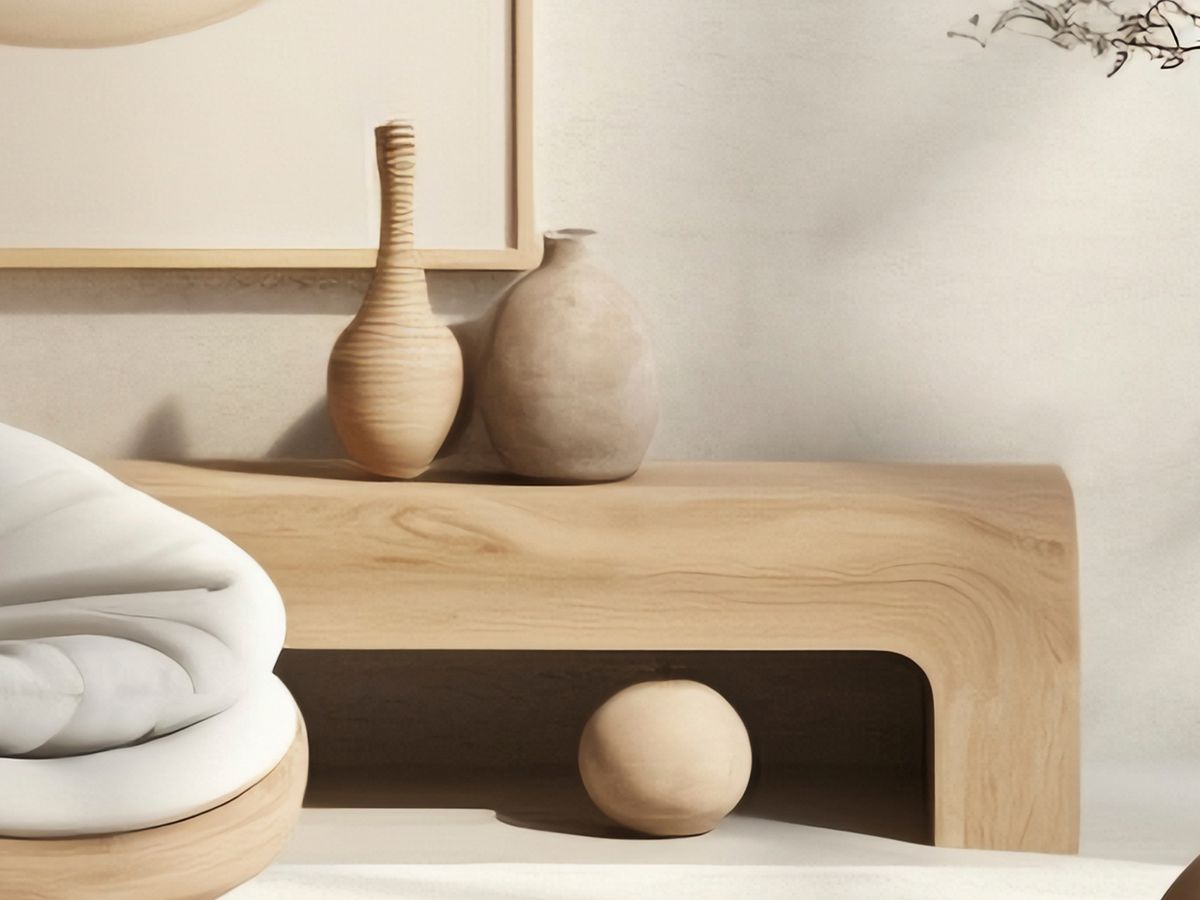

Architectural Styles for Luxury Housing: From Modernism to New Brutalism
There comes a point in any exclusive residential project when the choice of architectural style is no longer merely an aesthetic decision. It becomes a statement of intent—about who inhabits the space, how they experience it, and what they value in the quiet of everyday life.
At SAME Architects, with over 15 years of experience developing projects in Portugal, the United Arab Emirates, Asia, and the Middle East, we have learned that style does not come before architecture: it emerges from it. It arises from conversations with the client, the site, the light, the materials, and the memories we seek to create.
This article is a guide rather than a manual; it’s a way to understand what sets each style apart, what makes it suitable for a high-end home, and, above all, what can make your home truly unique.
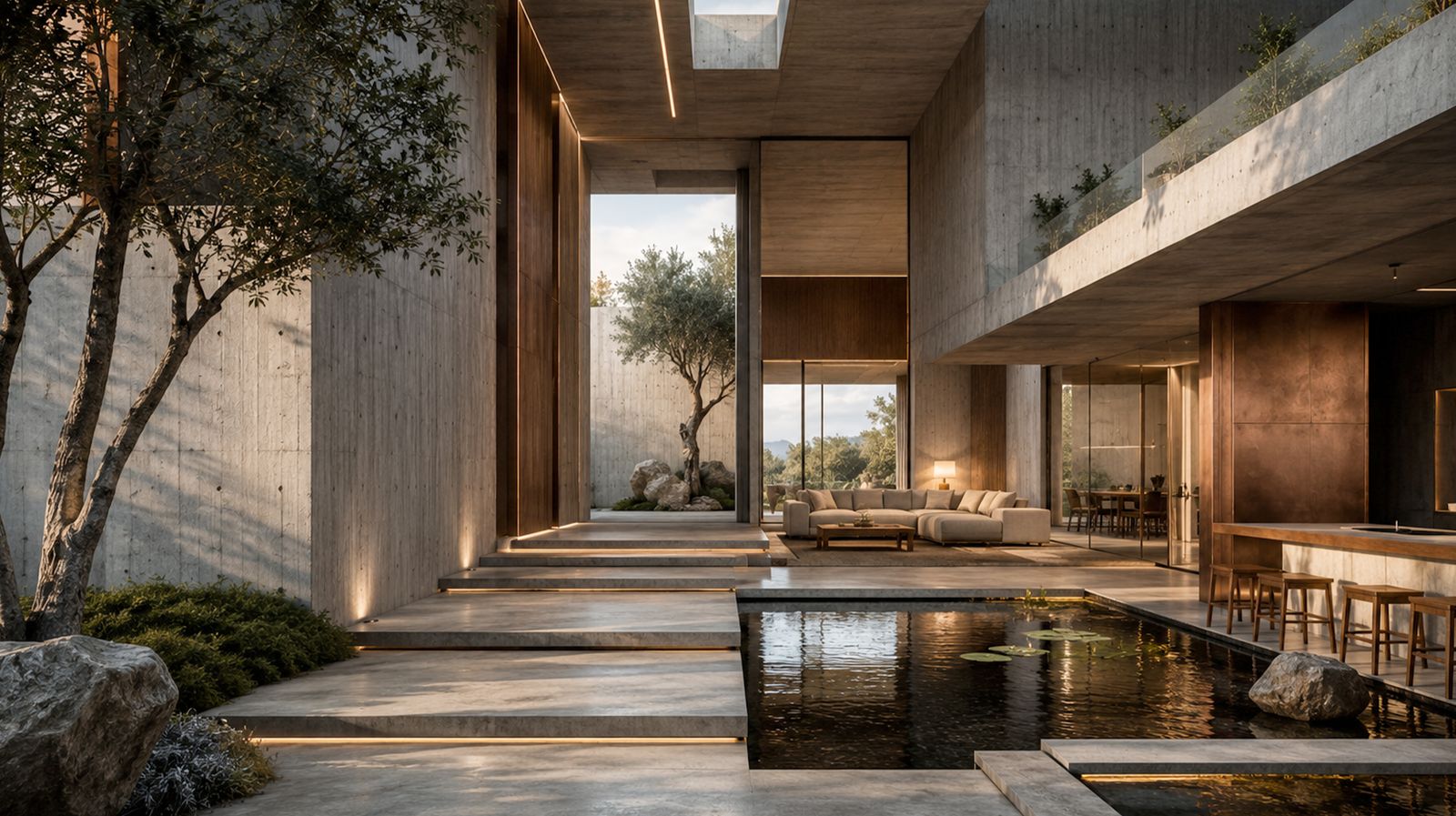
What defines premium architecture?
Before discussing styles, it’s important to understand what elevates a home to the premium level. It’s not the price per square foot, nor even the total square footage.
A premium home is distinguished by the care that goes into every detail—from the meticulously planned solar orientation to the way the kitchen flows into the garden, to the choice of finishes that age gracefully and tell a story. It’s the feeling that nothing was left to chance, that the space was designed with you in mind, and not for anyone else.
Modernism: On Lightness
Modernism is probably the most misunderstood style in residential architecture. Often mistaken for coldness or excessive minimalism, it is in fact a deeply human philosophy: the idea that form should follow function and that beauty arises from the honesty of materials and spatial clarity.
What characterizes a modernist home
In these premium residences with a modernist influence, we find:
- Open floor plans that promote a seamless flow between social spaces;
- Large glass openings that blur the line between inside and outside;
- Flat roofs or roofs with simple geometries that eschew unnecessary ornamentation;
- High-quality materials used in their natural form, such as: exposed concrete, steel, wood, and stone;
- Natural light as a design element, not just a source of illumination.
Modernism, at its best, is not austere, but rather precise. There is a huge difference between the two. A well-designed modernist home offers a sense of spaciousness that traditional homes rarely achieve.
When it makes sense
Modernism is the right choice when the client values open spaces, integration with the landscape, and low-maintenance design. It is a style that stands the test of time; a modernist home built in the 1960s still looks contemporary today because it was never dependent on passing trends.
Contemporary Minimalism: The luxury of silence
A child of modernism, contemporary minimalism has taken the principle of lightness even further. Here, luxury is not flaunted, but is defined by small details: door handles disappear, crown molding incorporates lighting, and cabinets blend into the walls.
The Art of Hiding the Details
In a minimalist luxury home, what you see is always less than what is actually there. The technical solutions are sophisticated yet invisible. Home automation, climate control, and sound systems are all integrated in such a way as not to disrupt the visual purity of the space.
The paradox of minimalism is that, of all design styles, it is the one that demands the greatest attention to detail. When there are no decorative elements to distract the eye, every joint between materials, every transition between floor and wall, and every proportion of the space must be perfect.
Materials that define the space
Color palettes are generally restrained, featuring whites, grays, beiges, natural stone, and wood in neutral tones. But within these constraints, choosing the right material is crucial. A Calacatta marble with dramatic veining can serve as the sole focal point of an entire room—and that is enough.
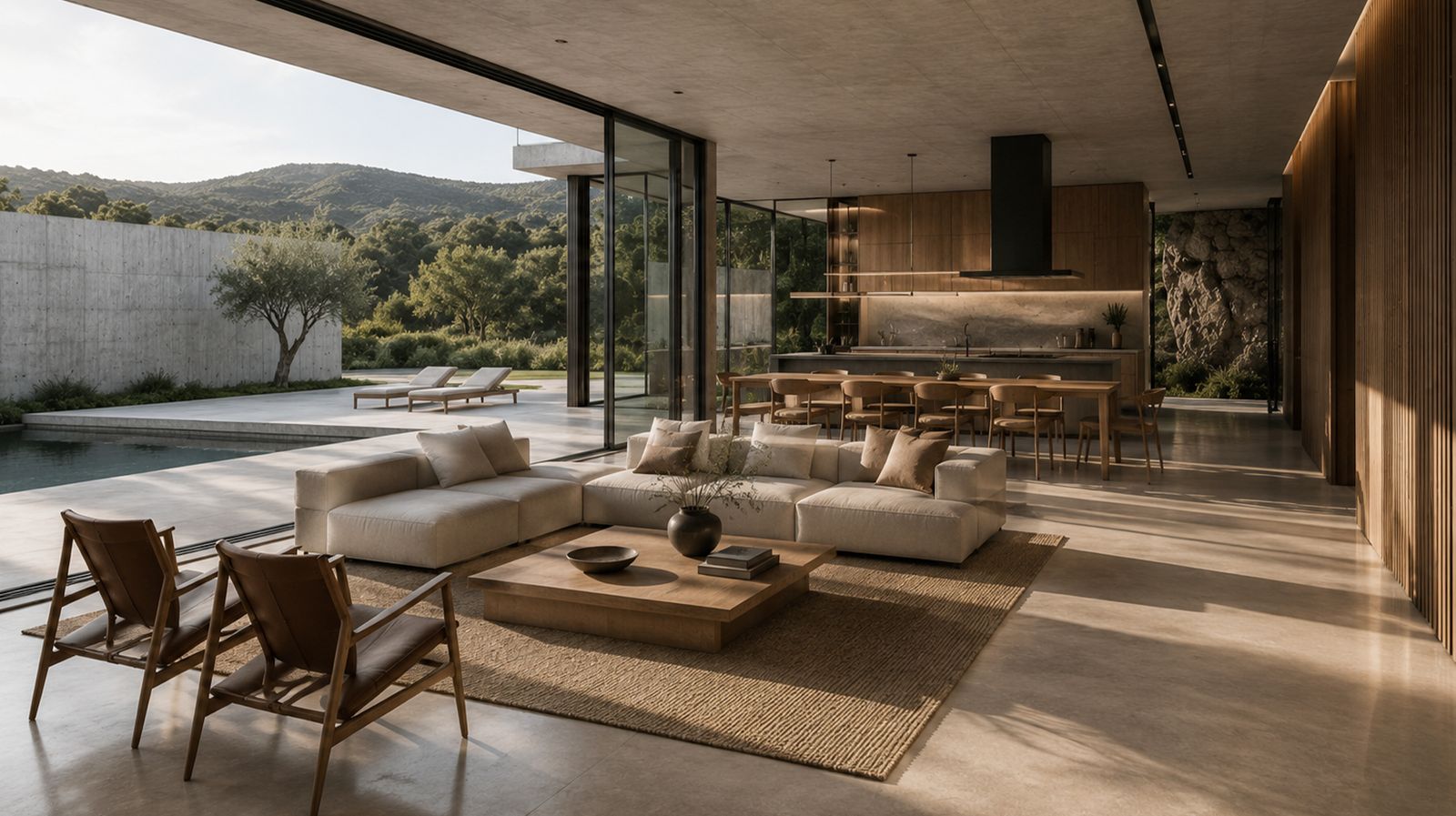
New Brutalism: The Beauty of Imperfection
Brutalism is perhaps the most polarizing style in high-end residential architecture. Passionately loved by some, vehemently rejected by others—and that is precisely why, in the right hands, it produces the most memorable homes.
Brutalism is not crude
The name is misleading; Brutalism comes from the French “béton brut,” which translates to “raw concrete”—concrete in its most honest form. It’s not about visual aggression; it’s about material authenticity. A house built in the Brutalist style isn’t hostile; it’s assertive, with a presence that makes no apologies for its existence.
What defines New Brutalism in luxury housing
The new brutalism, as applied to high-end housing, is clearly distinct from the institutional brutalism of the 1960s and 1970s. Here, we find:
- High-quality architectural concrete with intricate textures, formed with millimeter precision;
- A deliberate contrast between materials: concrete in dialogue with warm wood, glass, copper, or Corten steel;
- Careful integration of natural light, often through skylights or openings that create dramatic interplay of light and shadow;
- Gardens and water as a counterpoint to the apparent weight of stone and concrete;
- Surprisingly cozy interiors, where the apparent harshness of the exterior gives way to spaces full of warmth.
Why does New Brutalism attract premium clients?
There is a reason why some of the most expensive and most publicized homes in recent years draw on the vocabulary of New Brutalism: by its very nature, it is impossible to replicate on a mass scale. Architectural concrete requires specialized craftsmen, unique formwork, and a very close relationship between the architect, client, and builder, and it is important to emphasize that there is no low-cost version of a well-executed new brutalist home.
For clients who want a truly one-of-a-kind home, the new brutalism offers exactly that: an identity that cannot be copied.
How do you choose the right style for a project?
There’s no magic formula, but there are good questions.
What kind of relationship do you want to have with your home?
A modernist house invites you to contemplate the space, while an organic house invites you to connect with the outdoors. A neo-Brutalist house invites silence and contemplation. Which of these experiences appeals to you most?
What is the context of the site?
A row house lot has different constraints than a detached lot on a hillside. A style that works in one context may be out of place in another.
What is the investment time horizon?
Some styles age better than others. Modernism and minimalism have demonstrated remarkable aesthetic longevity. Well-executed neo-brutalism does too, but it requires specific maintenance.
What is your relationship with detail?
Living in a minimalist home requires a certain amount of daily discipline. Living in an organic home requires accepting the natural imperfections of living materials. Understanding your relationship with the space is just as important as choosing a style.
Style as a consequence, not as a starting point
At SAME Architects, we don’t start a project by choosing a style; rather, we begin with the client’s identity—from their stories and habits to the spaces where they feel at home.
Style emerges from this synthesis of information and is a natural consequence of understanding who will inhabit the space and how; that is why our projects are all unique, because every client is different and every home should be a genuine expression of those who live there.
What remains constant across all our projects is our commitment to excellence in execution, to the seamless integration of architecture and interior design, and to the ability to go above and beyond what was requested, presenting ideas that the client didn’t even know they wanted.